Yemen's Government Pulls Back From Bab al-Mandab. The Houthis Now Sit Beside a Second Oil Chokepoint.
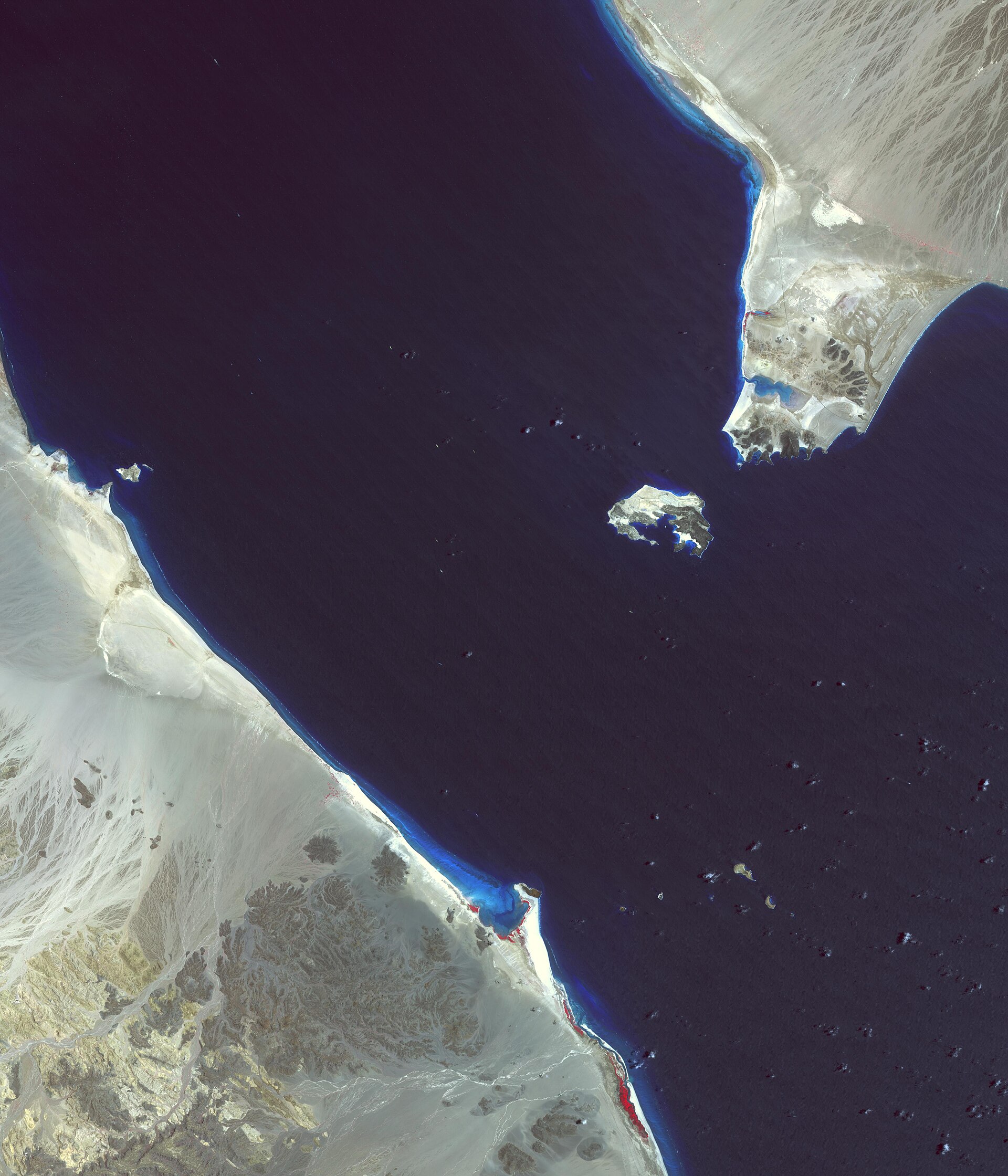
With Hormuz already disrupted, the other gate for Gulf oil and Asia-Europe cargo now has the Houthis sitting right beside it, and your fuel and shipping costs feel that risk first.
- On Sunday 15 November 2026 the Southern Armed Forces, allied with Yemen's Saudi-backed government, said they were pulling out of Dhubab airport and the area around the Bab al-Mandab strait.
- They say the priority is now defending Aden, the government's interim capital. Reuters calls it the apparent end of a six-week counteroffensive that retook Dhubab but never retook the port of Mocha.
- It follows a Houthi offensive that began on 3 September: Mocha fell on 10 September, a government official said Perim Island fell the next day, and Taiz was cut off in early October.
- Houthi forces are now near Tur al-Bahah, about 80 km from Aden. About 300,000 people have been displaced, roughly half of them in Taiz.
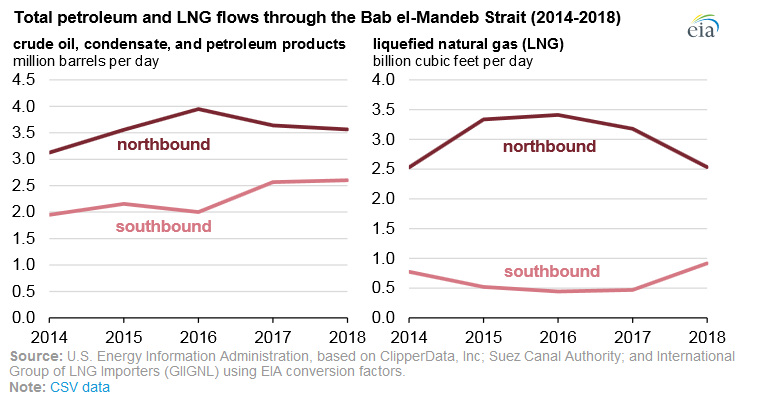
- Bab al-Mandab links the Red Sea to the Gulf of Aden. With Iran already disrupting Hormuz, Houthi pressure on a second chokepoint gives them more leverage over world shipping.
What happened?
On 15 November, forces allied with Yemen's government left Dhubab airport and the area around the Bab al-Mandab strait. They say they are moving to defend Aden, the government's interim capital.
How did the government end up here?
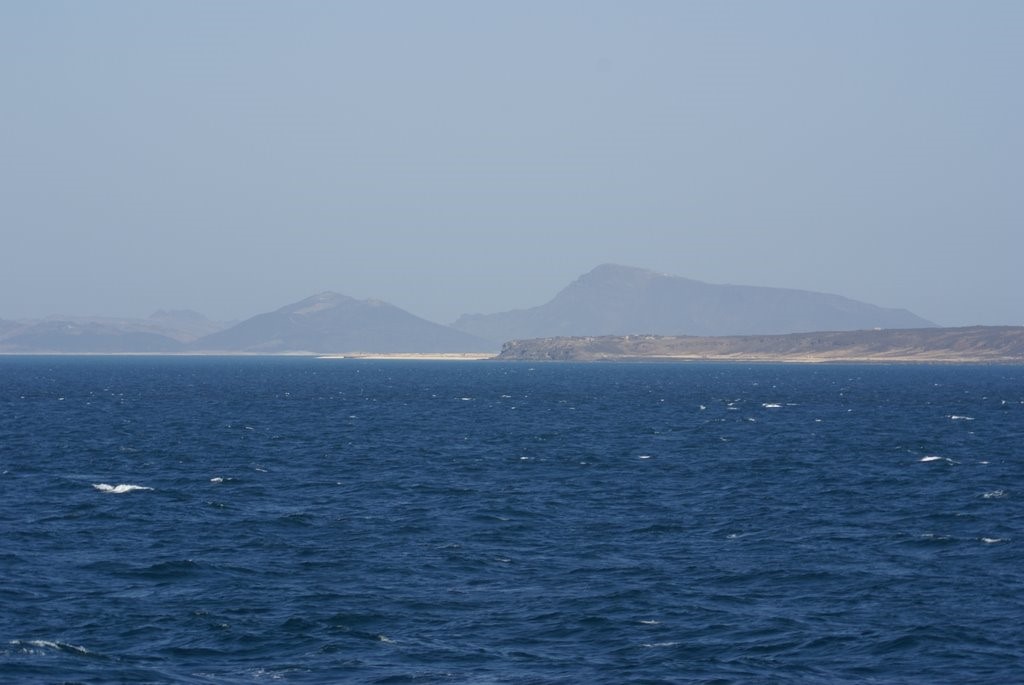
A Houthi offensive that began on 3 September took the port of Mocha and, a government official said, Perim Island. In October the Houthis cut off Taiz. The government chose to protect Aden instead of the coast.
Who benefits?
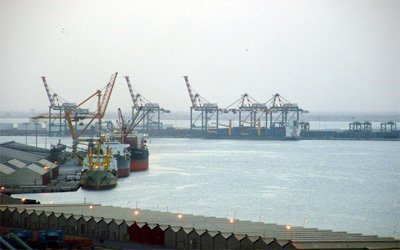
The Houthis. They now hold more of the Yemeni coast along a strait that ships use between the Suez Canal and Asia. That gives them more power to threaten shipping, at a time when Hormuz is already disrupted.
Who loses?
Yemen's government, which has lost its coastal push and now has to defend Aden. Saudi Arabia, which faces Houthi missiles and drones. And the hundreds of thousands of civilians forced from their homes.
UncertainWhat happened?
The Southern Armed Forces, a group allied with the Saudi-backed government, announced on Sunday 15 November that they were 'redeploying' from Dhubab airport and the surrounding area in the southwest. Their statement said the priority is securing Aden and the neighbouring governorates, and supporting the effort to break the Houthi siege of Taiz. Reuters, citing military sources, says the troops moved to al-Suqyah, just south of Dhubab and about 150 km west of Aden, and are still trying to push the Houthis from nearby coastal areas. It describes the move as the apparent end of a six-week government counteroffensive that retook Dhubab but failed to retake the port of Mocha. Accounts differ on the details: The National reports the government had claimed in October to have retaken both Dhubab and Mokha, while Reuters and Al Jazeera say Mocha was never retaken. Government spokesman Majid Al-Nazili asked other countries to help return Bab al-Mandab and the west coast to government control.
How did the government end up here?
Houthi spokesman Yahya Sarea said the offensive launched on 3 September took about 5,400 square km; that is the group's own claim. The Houthis captured Mocha on 10 September. The next day, according to one unnamed government official quoted by Xinhua, government troops left Mayun (Perim) Island overnight and Houthi boats landed 'without military resistance'; government forces fell back to Khor Omeira, about 90 km west of Aden. By late September the Mocha-Taiz road was closed. Reuters reports the Houthis then cut off Taiz in early October and are now near Tur al-Bahah in Lahj province, about 80 km from Aden; Al Jazeera reports they have taken highlands north of Aden and say they are preparing to advance on the city. Rated 'likely' rather than 'confirmed': the sequence is consistent across sources, but the Perim claim rests on a single anonymous official and several territory figures are claims by the fighting sides.
Who benefits?
Reuters, carried by Ynet, says greater Houthi control of the area 'would give the group additional leverage over shipping' through the strait that links the Red Sea to the Gulf of Aden and the Suez Canal route. The National and Reuters both tie the stakes to Iran's disruption of Hormuz: if both chokepoints are under pressure, Gulf energy exporters have fewer safe routes. So far the Houthis say ordinary international traffic is 'safe' and only Saudi ships remain restricted, under a ban they announced on 20 July (Xinhua). Rated 'likely' because the extra leverage is real geography, but none of the sources read reports a new attack on a commercial ship, or any shipping traffic figures, since the 15 November pullback.
Who loses?
The government's clearest loss is strategic: Reuters calls the pullback a major setback, and the counteroffensive meant to retake the west coast has ended. Saudi Arabia is under direct fire: the Saudi-led coalition said it shot down two Houthi ballistic missiles fired toward Riyadh and drones over the Mecca and Medina regions (the Houthis called the Mecca claim 'a blatant lie'), and The National reports Houthi attacks on Saudi ports, airports and Aramco sites including Yanbu. Civilians lose most: Al Jazeera reports about 300,000 people displaced, about half of them in Taiz. On the same Sunday the ICRC said the Houthis released 600 prisoners on their own, a sign that talks between the sides are not completely dead. Rated 'uncertain' because how much each side loses depends on whether the Houthis actually move on Aden or use the strait, neither of which has happened yet.
UncertainDomino Effect
The causal chain so far, dated from what the sources actually report. New dominoes append as they fall.
Reuters says the troops stopped at al-Suqyah, just south of Dhubab, and are still fighting for nearby coastal areas. If Saudi-led air power and the forces freed up from the coast break the siege of Taiz, the government could return to the strait from a stronger position, and the Houthis may keep their promise to leave non-Saudi shipping alone. In that case the strait is more contested, not lost.
Corrections & revisions
noneEvery change to this analysis since publication, with the reason. We append here — we don't rewrite. A number that changes silently is indistinguishable from never having been wrong.
RSS feed- No corrections yet. When we get something wrong, the fix is logged here rather than quietly applied.
Sources
6 sources
Every source behind the Trust Index above. Follow them — a trust score you can't check is decoration.
- Yemeni government forces redeploy from Bab al-Mandeb to defend Aden
- Pullback by Yemen government forces hands Houthis greater leverage over Bab Al Mandeb
- Yemeni government force retreats from strait in major setback in war against Houthis
- Houthis tighten grip on vital Red Sea strait as Yemeni government forces retreat
- Houthis seize Yemen's entire western coast after taking Bab al-Mandab Strait area
- Yemen's war disrupts roads and ports, deepening humanitarian crisis
Nothing here stands alone. This story is one node in a wider web — every card is another thread you can pull.