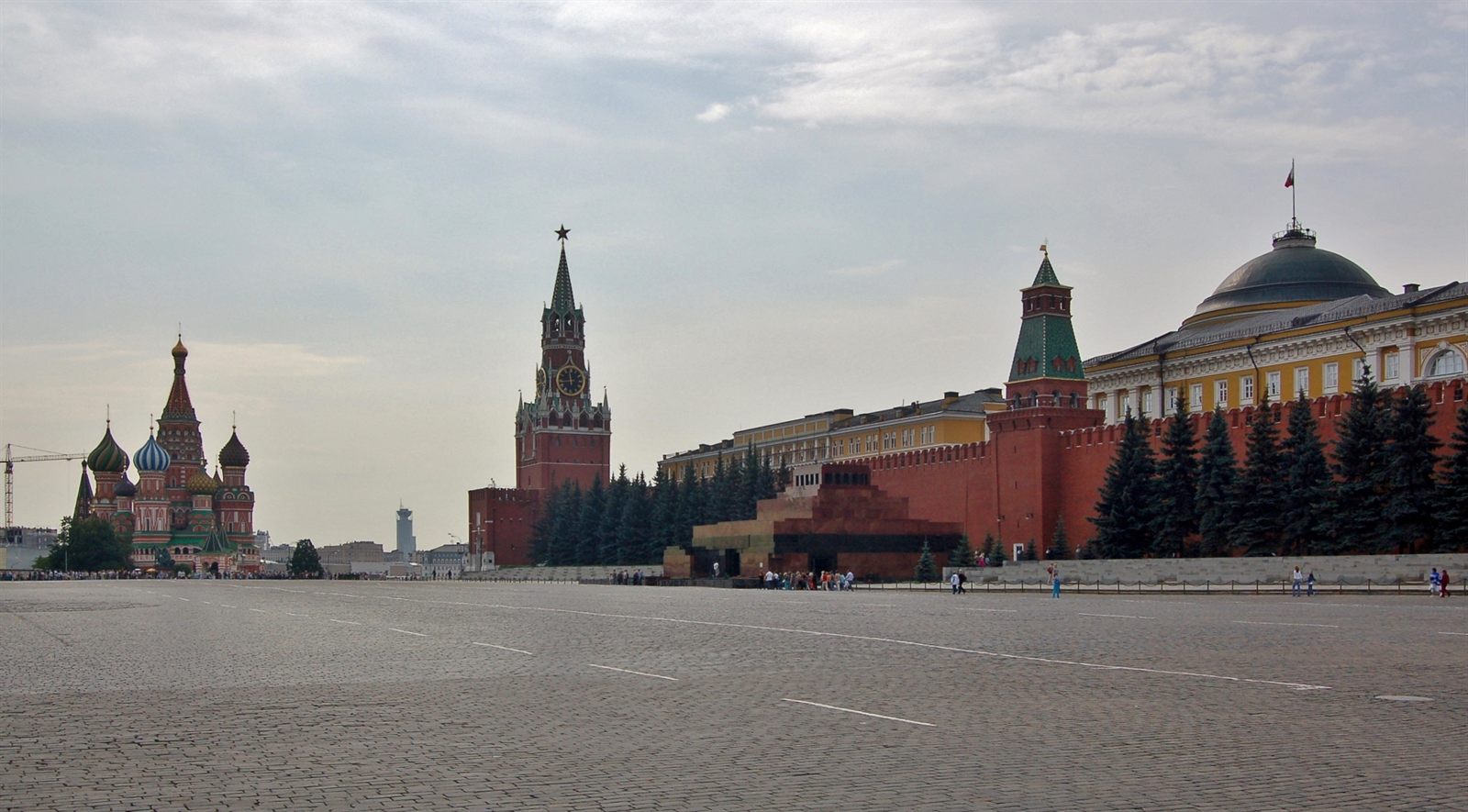
Energy as leverage, sanctions as the counter-move, and the limits of both. Where Russian power actually sits: long on energy and military, short on economy and soft power.
Little near-term rupture risk: no electoral contest before 2030, and unemployment at 2.2–2.4% leaves no pool of idle discontent. The strain is fiscal and slow-burning — real income growth has fallen from 7.7% to 1.6% and investment is still declining. This scores the capacity to absorb a shock without political rupture, not approval of the government; scored well above the 41 it replaces, because the placeholder was reading Russia's economy and calling it politics.
ECONOMY34
Growth of 0.7% on the Bank of Russia's own June consensus of 31 economists — the government cut its forecast to 0.4% — held together by a 14.1% key rate against 5.3% inflation, a real rate near 9%. Consumer spending growth 1.2%, investment falling, consolidated deficit 2.6% of GDP, and roughly 40% of federal revenue riding on oil assumed at $59–70. Not collapse: the deficit is contained and nobody is unemployed. It is an economy spending its future to hold its present.
CONFLICT RISK74
An active interstate war into its fifth year, roughly 20% of Ukraine occupied, and peace talks stalled in the wake of the Iran war. High — but not at the ceiling, because the front has almost stopped moving: about 5,000 km² gained across all of 2025 against 31 km² in the 30 days to 30 June 2026. The risk here is a grinding stalemate with no negotiated exit, not an imminent breakout.
Our own considered read. Scored 0–100 against what is normal for this region — 50 is trend, not a global average. Conflict Risk is inverted: higher means more. No source publishes these three numbers; they are our synthesis of the indicators below, which are real and followable. Editorial judgment, and ours to defend. how we score
No trend arrows yet. The figures these replace were placeholders, so there is nothing honest to measure movement against — the previous number was not a worse reading, it was not a reading at all. Trends appear at the next assessment.
Where Russia's leverage actually sits — long on energy and military, short on economy and soft power. That shape is the whole argument of this hub: a power with two axes to play and four it has to work around.
RussiaRUS
62COMPOSITE INFLUENCE
EnergySTRONGEST AXIS
Military84
Economic42
Diplomatic55
Technology58
Energy90
Soft Power45
Each axis is rated 0–100 against the other actors on this site, not against an absolute — the United States is the ceiling. The composite is a weighted average of the six. No source publishes these ratings; the formula is arithmetic, the numbers going into it are our editorial judgment. how we score